By Letitia Fern Brackenwell · Publisher: Highland Stay Mountain Passage Journal
Start with the journey back
The inviting part of a mountain day is usually the view. The practical part is knowing how you will return when your legs feel tired and your coat is damp. For a casino-resort break in 2026, build the outing around that return rather than filling every hour between breakfast and dinner. A modest plan can still give the landscape your full attention.
Separate the time spent walking from the time needed to reach the start. A route description may leave out the wait for transport, a stop for food or the walk from the arrival point to your room. Put those pieces beside the main outing. You do not need a strict timetable, but you do need to recognise which connections would be difficult to replace.
Before leaving the hotel
- Check the route description and the available return connection.
- Choose a clear point at which to turn back or shorten the day.
- Tell your companions where you intend to meet if plans change.
Keep the information you need available without relying on a perfect phone signal. Save the relevant route notes and transport details, and carry a way to contact your accommodation. Conditions and services should be checked with their current providers. This article describes a planning approach; it does not confirm a particular trail, shuttle or guided activity.
Compare the day’s choices
Two alpine outings can feel very different even when both promise mountain scenery. One may involve several transfers before a short walk, while another begins nearby and lets you turn around easily. Compare the whole day, including the return, rather than the most attractive photograph. The right choice is the one that suits the people travelling with you.
| Choice | Question to ask |
|---|---|
| Nearby walk | Can we shorten it without another connection? |
| Transport-led outing | What happens if we miss the planned return? |
| Indoor alternative | Does it still give everyone a worthwhile afternoon? |
A backup is more useful when it has its own appeal. A quiet lunch, a small exhibition or time with a book can be a chosen part of the holiday. Avoid presenting the alternative as a punishment for changing conditions. Agreeing on it early makes the decision simpler when someone feels cold, tired or uninterested in continuing.
- Pack a dry layer separately from damp outer clothing.
- Keep food and water accessible during the journey.
- Leave enough energy for the last walk back to the room.
Leave room after arrival
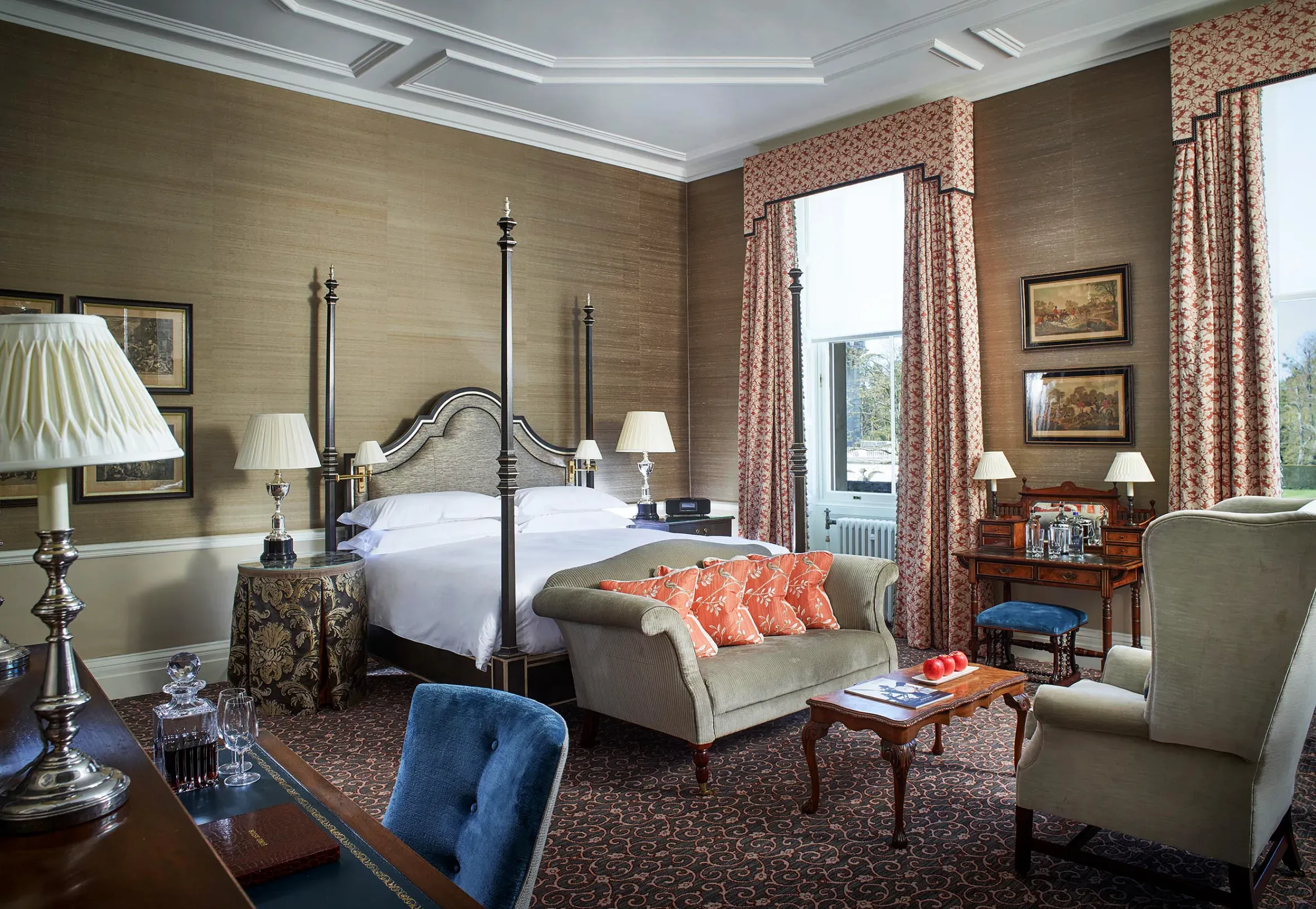
Returning to the resort is a transition, not an immediate switch to the evening programme. Allow time to remove wet shoes, wash and decide whether you still want to go out. A room that supports this routine matters; our room questions article considers the details beyond the window view.
Keep dinner separate from optional casino time. Being back on schedule does not oblige anyone to play, and arriving late does not make a rushed session more worthwhile. If companions want different evenings, use a simple meeting arrangement. The evening meeting guide offers a way to do that without making the whole group wait.
A short note after the day can improve tomorrow’s choice. Record what took longer than expected and what everyone enjoyed, rather than judging the outing by the distance covered. Perhaps the journey was tiring but the nearby stop was memorable. That is useful information for a holiday with several days, especially when you want both outdoor time and rest.
Author’s opinion
I think alpine outings work best when the return receives as much thought as the departure. I would rather leave one possible stop unvisited than arrive too tired to enjoy a meal or a conversation. For me, a successful mountain day ends with choices still available. The resort evening can then follow how people actually feel, rather than a plan made before breakfast.